
Protect the Dolls: Dylan Mulvaney's Memoir, Reviewed
spoiler-free

Spoiler-free review.
Gender nonconforming people have always been targeted, but the 2020s introduced a powerful trans panic—nationwide discourse on transgender sports, Facebook transvestigators, dozens of front-page articles about ‘the transgenders,’ and the president that over half of Americans voted for claiming that the left will ensure “transgender for everyone.”
It is of note, and of no surprise, that every one of these topics centered on transwomen and not transmen. Transwomen (especially Black transwomen) have always been more likely to be victims of targeted violence than cis women. The rhetoric against them was clear: transwomen were either delusional or malicious men in disguise, peeking through the toilet stalls or beating up young girls on the soccer field. And these discourses weren’t just a culture war distraction—they have had a real impact on people’s lives.
“In January, Trump’s executive orders targeting transgender people ordered the Federal Bureau of Prisons and Department of Homeland Security to force transgender women into men’s prisons and detention centers, ignoring safety guidelines, and withdraw medically-necessary care, putting more than 2,000 incarcerated trans people at high risk of abuse. The order also blocked transgender and intersex people from updating sex markers on new passports, visas, and trusted traveler documents, effectively outing them and limiting their ability to travel.” (ACLU, Trump, Immigration, Trans Rights: The Stories That Shaped 2025, December 18, 2025)
This initial trans panic was around the time that trans influencer Dylan Mulvaney partnered with Bud Light to promote their product. Boycotts ensued. Kid Rock filmed himself shooting Bud Light cans. Bomb threats were called. You’d think Dylan had said something awful or that she’d drop-kicked someone’s newborn baby, but all the fuss was over her identity. The public did not like that Bud Light had ‘endorsed woke.’ Dylan’s existence, like the existence of all transwomen, was not only open to debate—it was cause for anger, hatred, and violence.
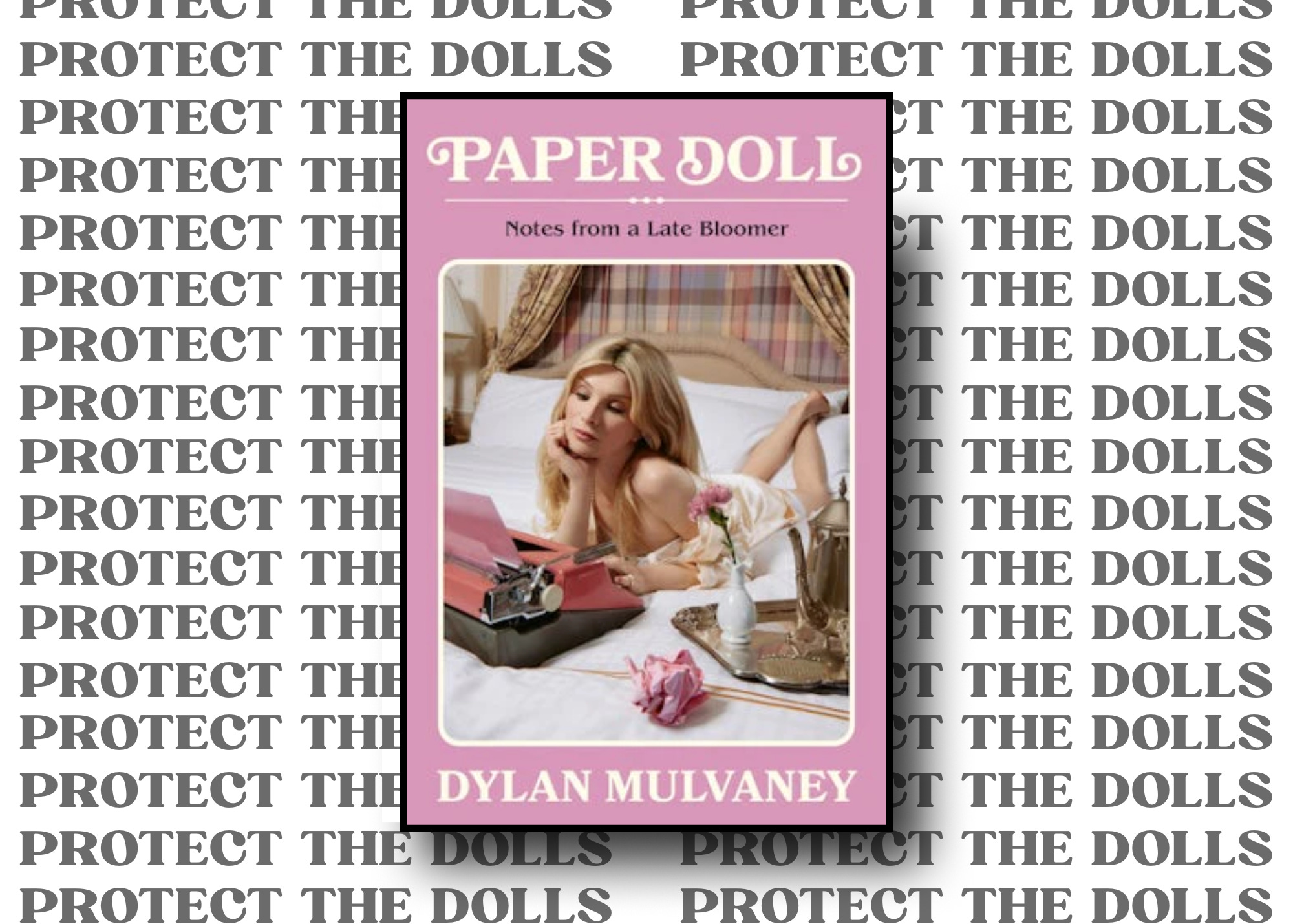
In her new memoir, Paper Doll, Mulvaney discusses ‘beergate,’ her journey to womanhood, and the influx of harassment she faced just for living her truth.
Paper Doll is half diary entries and half essays from pre- and post-Beergate. The diary entries are accompanied by cute graphics reminiscent of books like Dork Diaries or Diary of a Wimpy Kid, but with a more feminine and adult art style.
Mulvaney doesn’t hold anything back, and as someone unfamiliar with her TikTok career, I felt like I really got to know her as a person. She is optimistic and kind, and at once believed—self-admittedly a little naively—that anyone can change, even the bigots who left nasty comments on her videos. In the beginning, she showed as much of her transition and personality as possible with the hope that people would get to know her and change their minds. Though she struggled through Beergate, she still tried to hold onto her values and kindness, and that is a remarkable thing.
The memoir discusses her sometimes rocky relationship with her parents and the difficult path to acceptance in her family. She writes about navigating sex and dating, her relationship with God and spirituality, managing her dark thoughts, and how she is still learning all the small parts of womanhood (like always carrying a tampon for other women in need). Her personality and humor shine through each page, though she admits she isn’t the world’s greatest writer, and there were some pages I thought could use some more editing—though it was in no way unreadable.
Some of her critics have pointed out her immense privilege as a white woman, and their frustrations at Mulvaney being a posterchild for transwomen that was never nominated. Her journey, too, is considered unrealistic by most. She acknowledges her privileges in Paper Doll and approaches these conversations with respect for her critics and a humility that is rarely found nowadays, even following and reaching out to thank some of the creators who made videos criticizing her. But she is imperfect and privileged, and for readers wanting a more realistic trans path/narrative, Paper Doll might not be for them.
While the book’s diary entries are spur-of-the-moment reactions, its essays are slower and more thoughtful, really letting the audience sit with Mulvaney’s points and experiences. She introduces a wide cast of characters—from her parents to then President Joe Biden—and it’s her interactions with others that really drive her story.
Overall, the book is entertaining, heartfelt, and incredibly timely. Though Mulvaney admits to not having a strong writing background, I still found the prose engaging and poignant, and with over 60-80% of nonfiction books ghostwritten, I will always support authors who’ve actually authored their own works.
There will always be another Beergate, another Riley Gaines, and more Fox News anchors cashing in on bigotry. But I still hope for a future where transwomen can peacefully exist within society without having to defend themselves, without having to fear for their lives, and without being made a public spectacle.
I remember finding her on TikTok and it was counting her days of being a girl. I thought she was being so open about her transition and what she was learning about girlhood. Then beergate happened I felt so bad for her. I'm glad to see she's doing well and still telling her story